
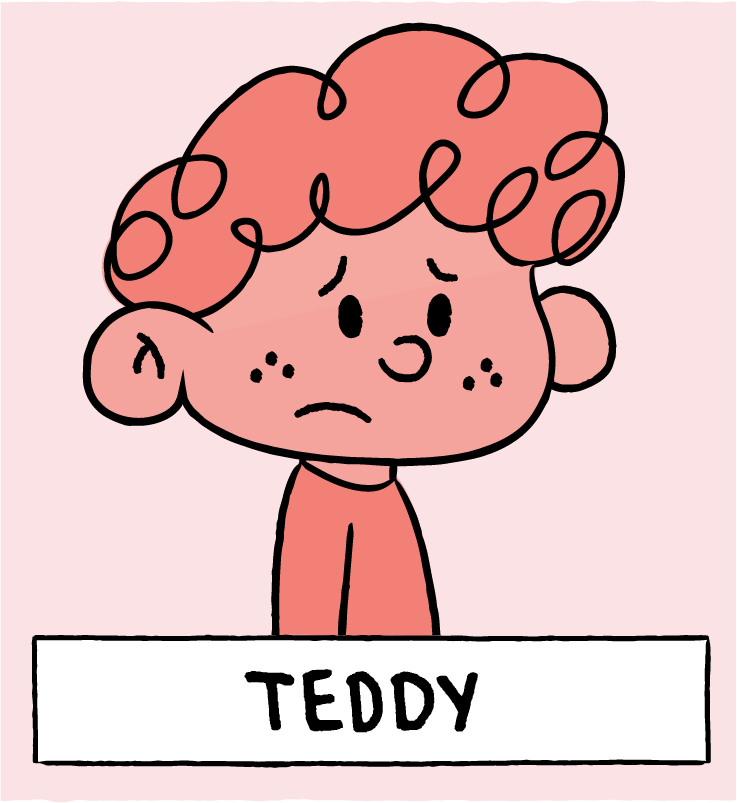
Individuals with sensory avoiding tend to withdraw from or try to reduce sensory input that feels overwhelming or unpleasant. They may react to loud noises, busy environments, or unexpected touch by pulling away, becoming quiet, or seeking calm spaces.

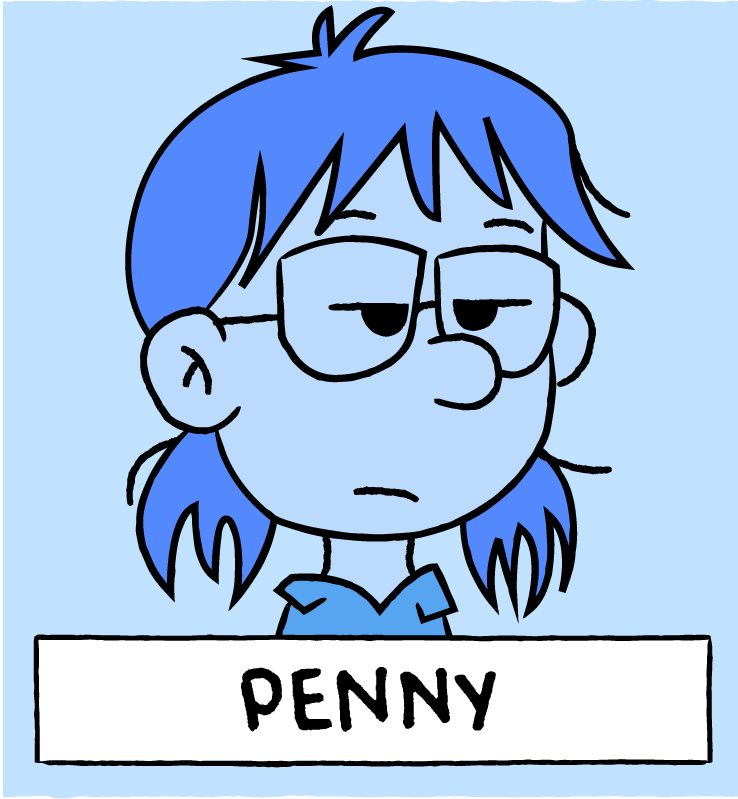
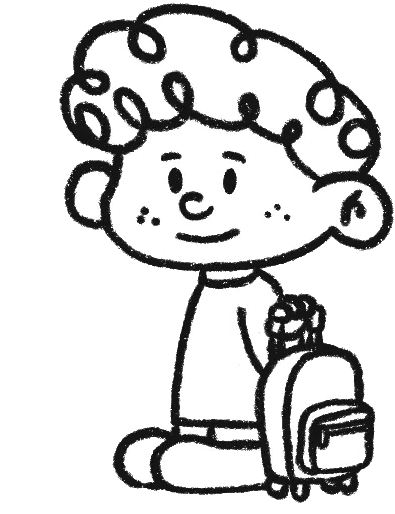
Individuals with low registration, like Penny in this scenario, have a high sensory threshold, meaning they miss or are slow to notice things that others easily perceive. They require a high level of sensory input to register or notice information from their environment.

Individuals with sensory sensitivity, like Chip in this scenario, often perceives sights, sounds, touches, and other sensations more intensely than others. This heightened response can lead to discomfort or strong reactions, often triggered by loud noises, bright lights, or sudden physical contact.
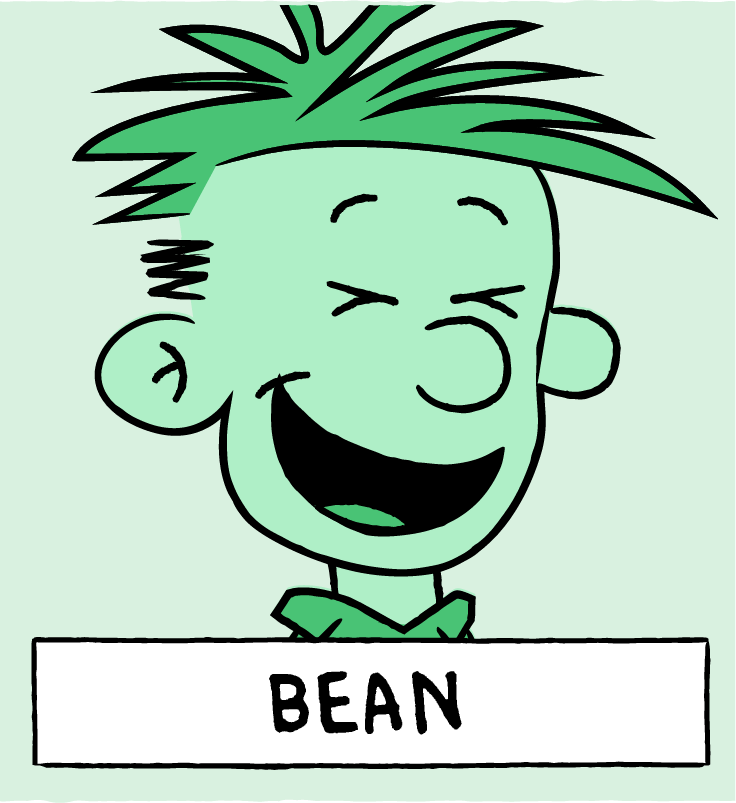
Individuals with sensation seeking, like Bean in this scenario, do not fully process all incoming sensory input. However, unlike those with low registration, they actively seek out stimulating experiences. They’re drawn to movement, lights, colors, sounds, smells, and tastes that excite or energize them.